Written by the PT Samudera Arah Ekspor technical team
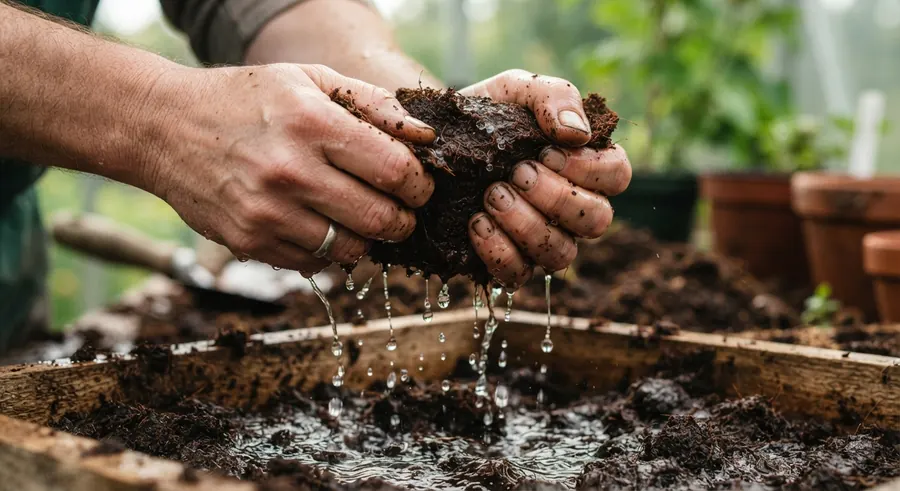
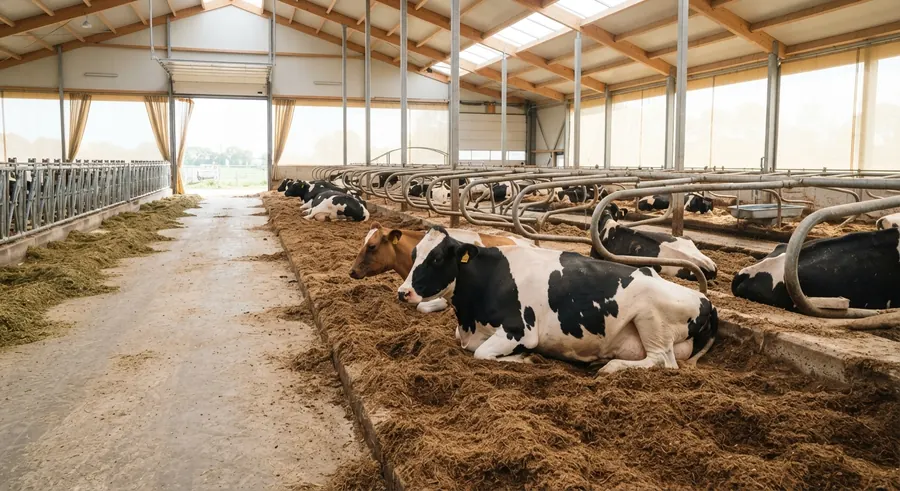
A dry, soft bed keeps animals comfortable and cuts down on hoof and udder problems. Coco peat absorbs moisture well, stays low in dust and composts easily after use.
Why coco peat works as bedding
Coco peat can hold many times its own weight in liquid, so urine and moisture are taken up quickly instead of pooling on the floor. Its fine, soft texture gives animals a comfortable surface to lie on, and it produces far less dust than sawdust or chopped straw.
Preparing blocks for the barn
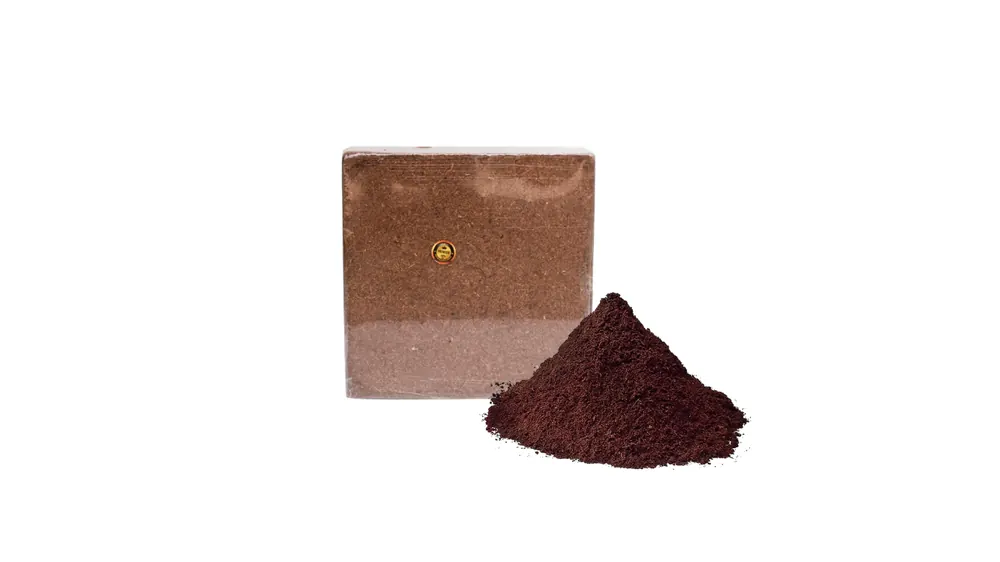
- Break the 5kg block apart and add a little water — just enough to loosen it, not to soak it.
- Let it rest for an hour, then fluff it with a fork or bedding spreader.
- Spread a layer of about 5–10 cm in the stall or cubicle.
- Top up wet areas daily and replace the full bed as part of your normal cleaning cycle.
Hygiene and animal health
Because the bed stays drier, there is less ammonia in the air and fewer places for bacteria to grow. Many farms combine coco peat with their usual disinfecting routine to support udder health and clean hooves.
Quick reference
- Layer depth
- 5–10 cm
- Expanded volume
- 70–75 L per 5kg block
- Top up
- Wet areas daily
- After use
- Compost or spread on fields
After use: compost, not waste
Used coco peat bedding is organic and breaks down well in a compost heap together with manure. The finished compost can go back onto fields as a soil improver, closing the loop on the farm.